Full renovations in Teesside
A full house renovation in Teesside runs from £20,000 for a tidy-up of a two-bed terrace to £80,000 and beyond for a back-to-brick refurbishment of a larger period home. The figure depends almost entirely on how much of the existing building is worth keeping, which is why the survey comes before the price.
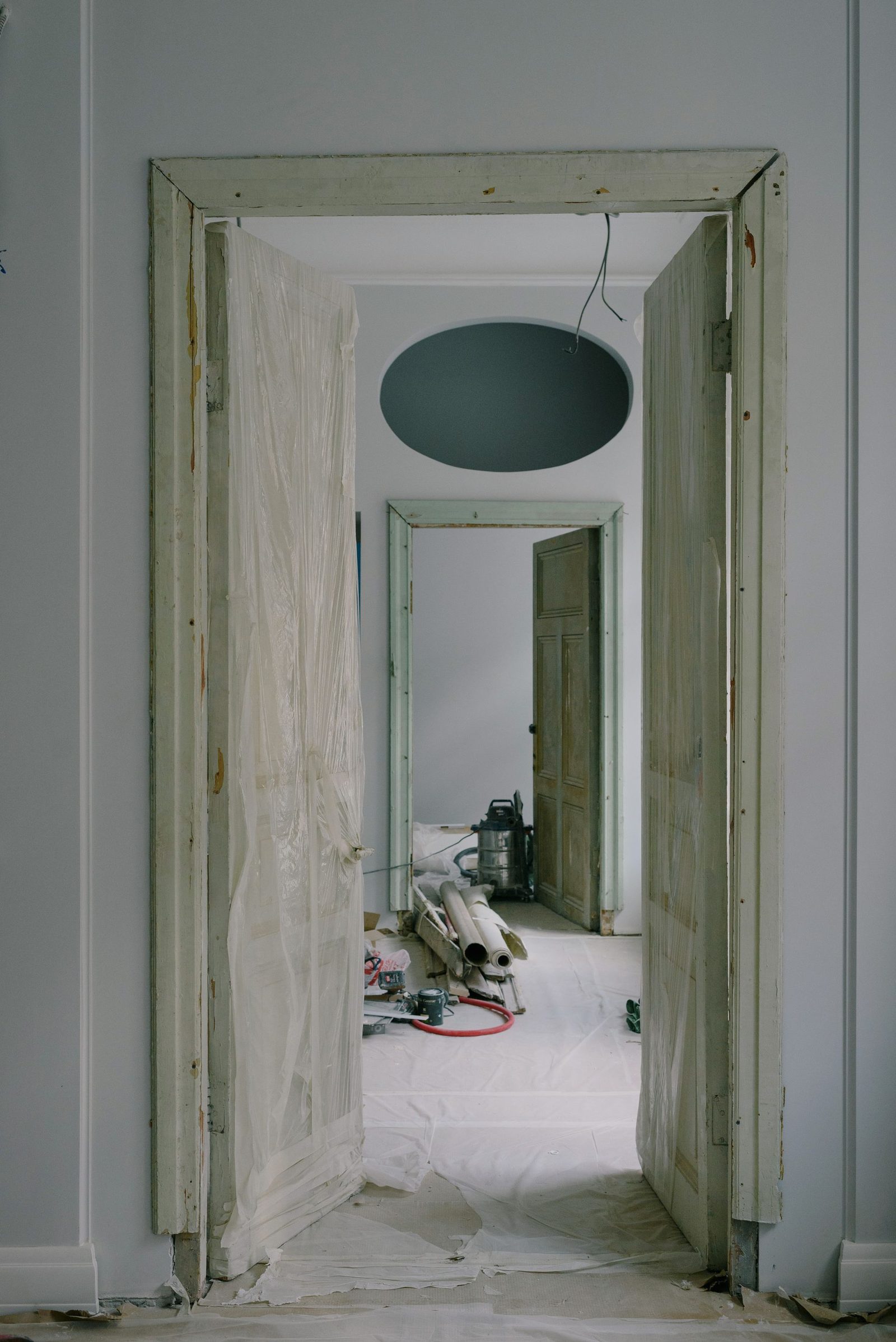
Two very different jobs with the same name
Renovation covers everything from replastering and a new kitchen through to stripping a house to joists and brick. A cosmetic refurbishment of a Redcar two-bed, new heating, new bathroom, decoration throughout, sits near £20,000 to £30,000. A Linthorpe or Norton period house taken back to brick with a rewire, replumb, new roof covering, structural repairs, new joinery and a reworked layout comfortably passes £80,000. The honest way to quote it is to open a few things up first: lift a floorboard, pull a section of plaster, look in the loft, get a meter on the walls.
What the survey is looking for
- Damp and its cause: raised external ground, bridged cavities, failed pointing, blocked sub-floor vents. Treating the symptom without the cause is money burned.
- Roof and rainwater: slipped slates, tired flashings, a valley that has been patched for a decade, cast iron gutters holding water against the wall.
- Timber: joist ends built into damp walls, old woodworm, lintels over bay windows that have quietly given up.
- Services: rubber or fabric-sheathed wiring, no RCD protection, lead or 15mm galvanised pipework, a boiler on borrowed time.
- Layout ambitions: which walls carry load, which can go with a beam, and where the drains run before anyone promises an island unit.
Sequence saves money
Renovations go wrong when the order goes wrong. Structure and weatherproofing first, then damp remediation and drying, then rewire and replumb, then plaster, then joinery and decoration, then kitchens and bathrooms. Plastering before the roof is sound, or tiling before the floor has dried, means paying twice. A properly written programme sets that order out and puts your decision deadlines in it, because tile and worktop choices made late are what push projects past their end date.
Regs, certificates and staged money
Most whole-house work is notifiable: electrical installation certificates, gas work by a Gas Safe registered engineer, building regulations approval for structural alterations, new openings, insulation upgrades and drainage changes. Keep every certificate, because they are the paperwork that a sale later depends on. Payments should follow completed stages with a retention at the end, and any variation should be priced in writing before it is built. See choosing a builder for how to compare renovation quotes fairly, and structural alterations if the layout is changing.